Founded in 1995, GSC Game World has become the most renowned game development studio in Ukraine and a leading developer in Europe. Since 2004 the proprietary worldwide publishing branch has been operating within the company.
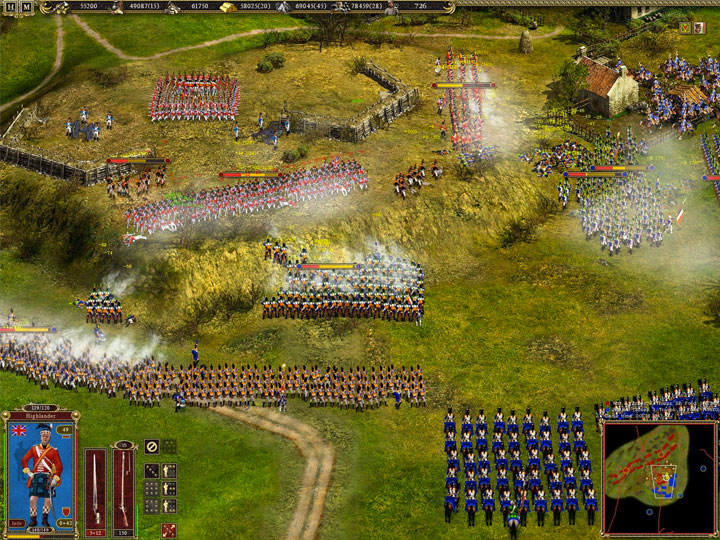
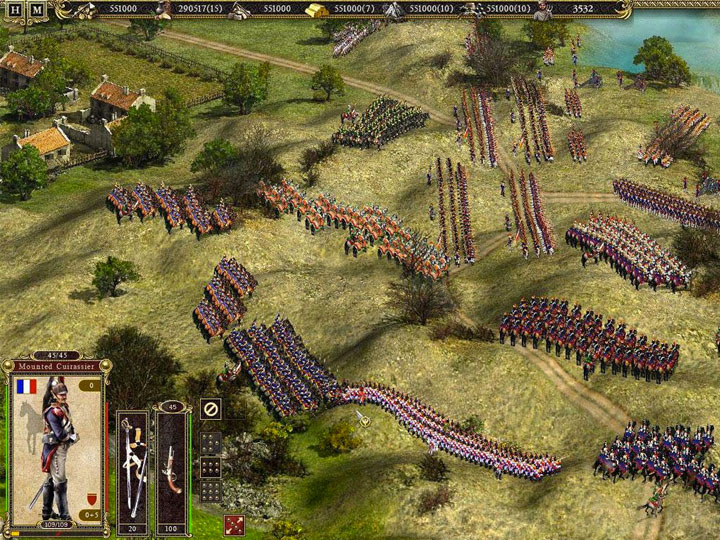
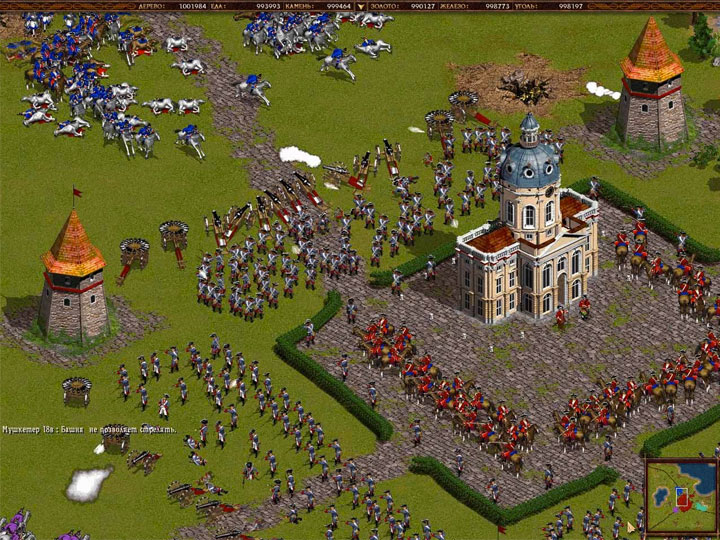
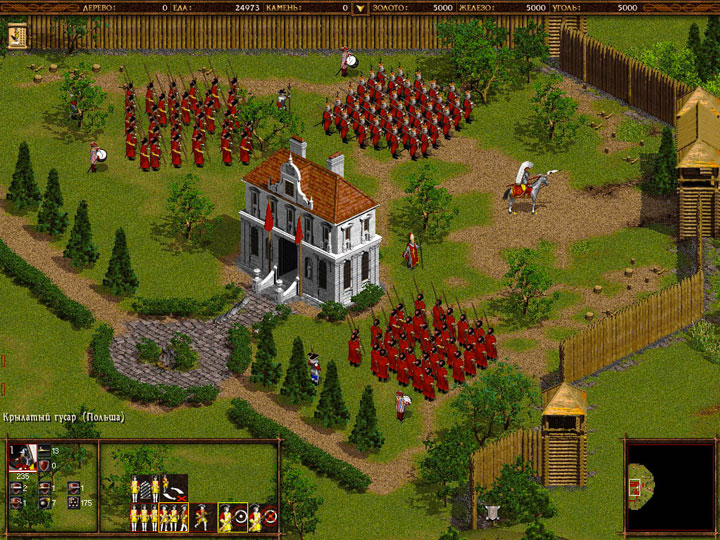
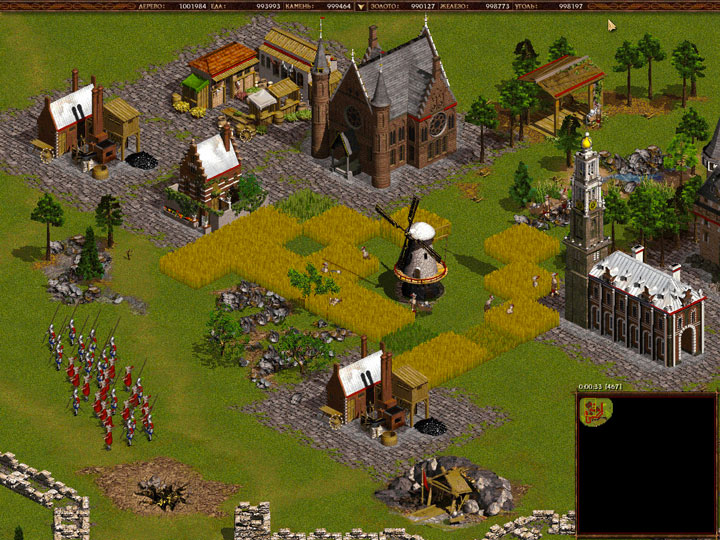
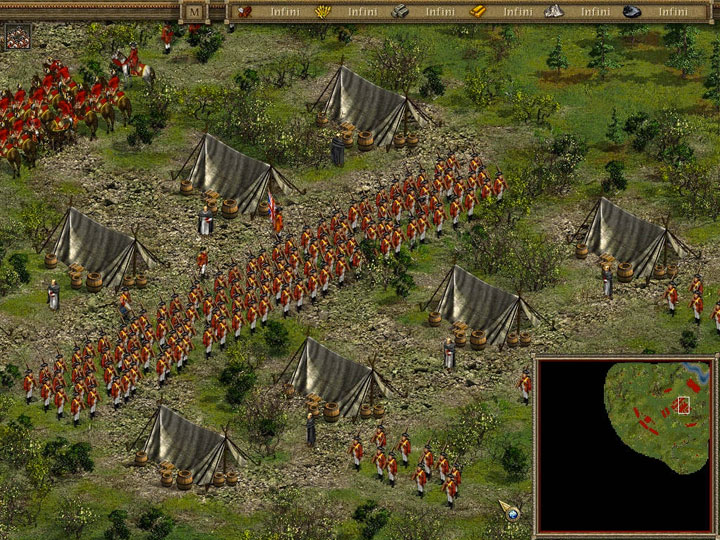
The revolutionary Cossacks: European Wars RTS title became the company's first hit, selling, along with its two add-ons, over 5 million copies worldwide.
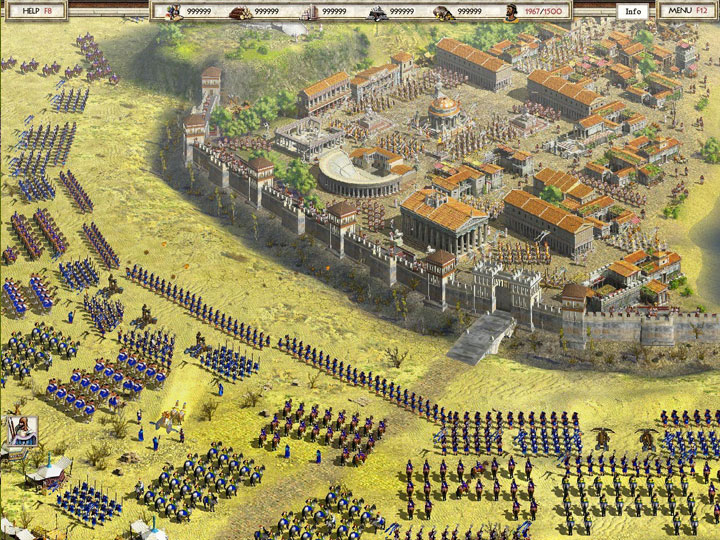
In 2004 the studio enjoyed its first experience of working on a Hollywood movie license, while developing the tie-in RTS based on Oliver Stone's blockbuster film Alexander. The game was released simultaneously with the movie and was self-published by GSC in former USSR territories.
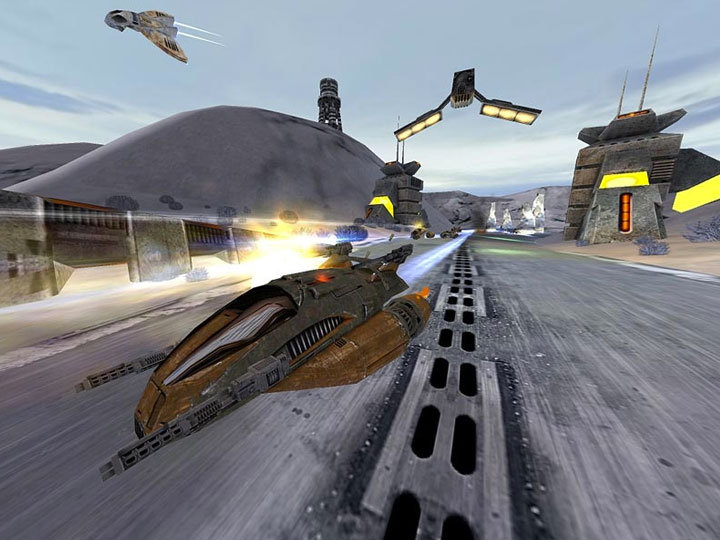
Since August 2004, GSC World Publishing has launched 7 projects: Alexander (2004), Cossacks 2: Napoleonic Wars (2005), Cossacks 2: Battle for Europe (2006), Heroes of Annihilated Empires (2006), S.T.A.L.K.E.R.: Shadow of Chernobyl (2007), S.T.A.L.K.E.R.: Clear Sky (2008), S.T.A.L.K.E.R.: Call of Pripyat (2009).
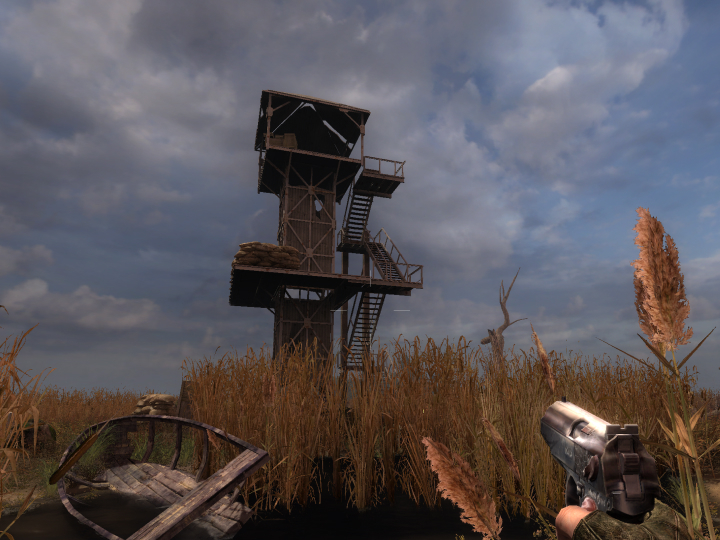
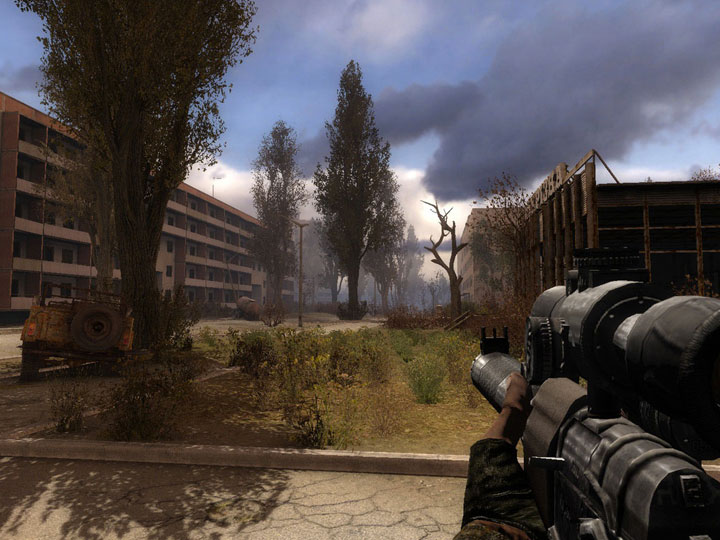
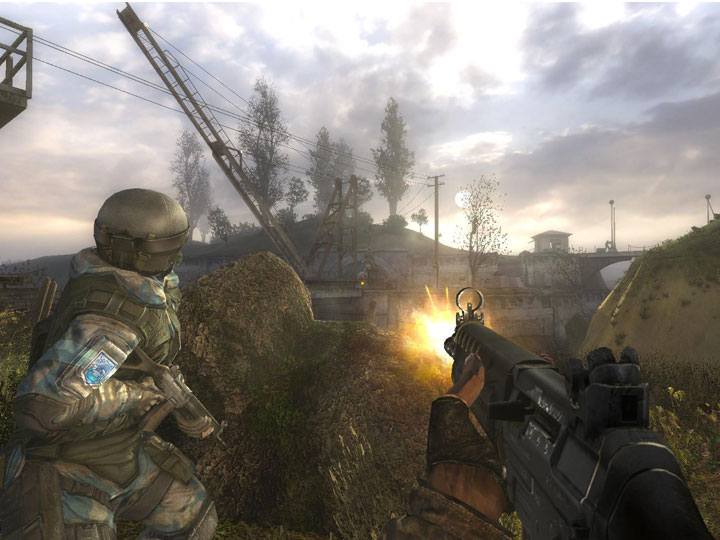
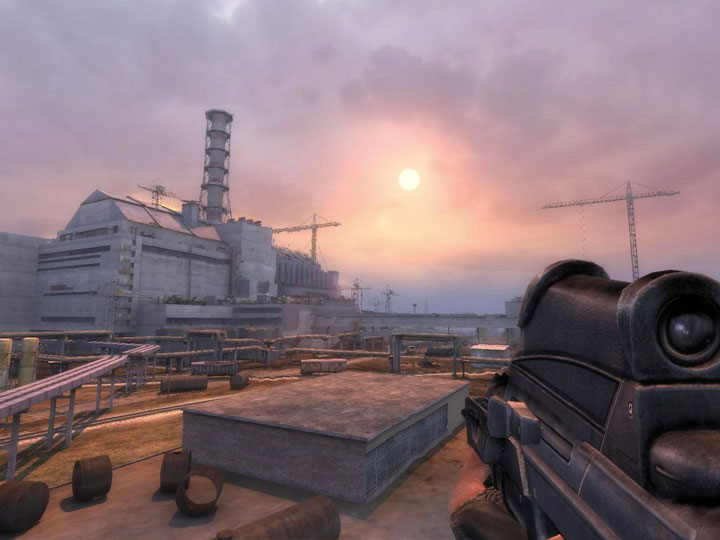
In April 2007 the company's most ambitious project - Survival FPS S.T.A.L.K.E.R.: Shadow of Chernobyl, set in the near-future Chornobyl exclusion zone, was released worldwide. GSC World Publishing was in charge of publishing the title in former USSR territories, while THQ Inc. operated the worldwide release.
The game received numerous awards at some of the biggest international trade shows, and received high critical acclaimed from both print and online media and from the players themselves. The success of the game has been proven not only by the 'Game of the Year' and 'Most Atmospheric Shooter' awards, but also by maintaining top spots on sales charts.
In the former USSR states alone, the game sold over half a million copies in the first two weeks. With the two subsequently released add-ons, the worldwide sales of the S.T.A.L.K.E.R. game series approach five million copies to-date.
Following the strategy of further brand development, GSC Game World initiated a series of S.T.A.L.K.E.R.-based novels (published in Russian and German), and have sold over 5 million copies overall.
Cossacks 3, released in September 2016, put furious battles of XVII-XVIII centuries into 3D.
To fully understand the footprint of "hombre burras" in Spanish-language entertainment, one must examine its linguistic roots, its evolution through television and cinema, and its modern resurgence in the age of social media and internet memes. Decoding the Language: What Does "Hombre Burras" Signify?
In the 1980s, 1990s, and early 2000s, variety shows across Latin America (such as Sábado Gigante or Derbez en Cuando ) frequently utilized absurdist character sketches. A character framed around the "hombre burras" concept typically featured slapstick comedy, exaggerated regional accents, and situational irony, cementing this style of humor in the cultural zeitgeist. The Digital Era: Memes, Viral Videos, and Streaming
Some notable festivals and events celebrating Hombre and Burras include:
The initial failure to find a single entity called may be the most valuable lesson of all. In a media landscape dominated by algorithm‑optimized titles, the very absence of a direct match encourages a richer, more serendipitous exploration. The phrase “Hombre Burras” acts as a cultural riddle, inviting us to piece together its fragments: El Hombre Burbuja for rock, La Burra Arisca for podcasts, Burro for theater. Each part is a doorway into a different corner of Spanish‑language creativity, and together they form a mosaic that is far more interesting than any single branded property would be. zoofilia hombre follando burras
"Hombre Burras" has become a cultural phenomenon in many Spanish-speaking countries, with fans quoting lines, dressing up as characters, and sharing memes on social media. The show has been credited with helping to promote Mexican culture and humor worldwide, showcasing the country's rich comedic traditions and talent.
In modern media, "hombre burras" has evolved into a specific archetype. It represents characters, creators, or content tracks centered around raw, physical comedy, absurd rural parodies, and unapologetic working-class humor. The Digital Architecture of Spanish-Language Comedy
The enduring presence of the "hombre burras" motif in Spanish-language entertainment proves that media does not always need high-tech reinvention to capture hearts. By grounding humor in familiar cultural symbols—the stubbornness, the simplicity, and the undeniable warmth of rural life—this archetype continues to make audiences laugh across borders, proving that the oldest comedic traditions are often the most resilient. To fully understand the footprint of "hombre burras"
The success of "hombre burras" content has caught the attention of mainstream networks and streaming services. We are seeing a shift where grassroots digital creators are being tapped for larger roles in television and film. This "bottom-up" influence ensures that Spanish-language entertainment remains diverse and reflective of the actual lived experiences of its audience, rather than just polished, metropolitan narratives.
Whether it appears as a viral TikTok filter, a recurring character in a streaming series, or an inside joke between a creator and millions of live viewers, the spirit of the "hombre burras" highlights the fluid, creative, and endlessly entertaining nature of the modern Spanish language.
that explains the "dichos" (sayings) used in Spanish media and literature. Spanish Idioms Guide : For a deeper dive into how donkeys ( burros/burras A character framed around the "hombre burras" concept
: The phrase is sometimes linked to specific viral videos or "street humor" segments where a host interviews people on the street (often called vox populi ), and the subjects give unintelligent or "burra" answers.
From viral social media clips to niche comedy sketches, "hombre burras" entertainment reflects a blend of rural tradition and digital-era absurdity. Understanding this phenomenon requires looking at how language, humor, and regional identities intersect in the Spanish-speaking world. The Linguistic Context of "Hombre Burras"
In Spanish-language entertainment, el hombre y las burras is not just a punchline. It’s a rustic, stubborn, and surprisingly tender mirror of a world where the hardest-working, quietest creature often knows best. The man may talk, scheme, and shout—but the burra? She just flicks an ear, chews her hay, and lets him dig his own hole.
This is the plural feminine form of burro (donkey). In many Latin American slang contexts, particularly in Argentina, burra is used to refer to a person's backside (ass) or to describe someone as foolish or "dumb".
For back-catalogue and licensing inquiries please contact [email protected]
Please address technical support inquiries to [email protected]
If you have any other questions, please feel free to contact us at [email protected] or fill in the form:
Copyright Copyright 2026, MyCircle. All rights reserved.
SSL Security  by SSLs.com