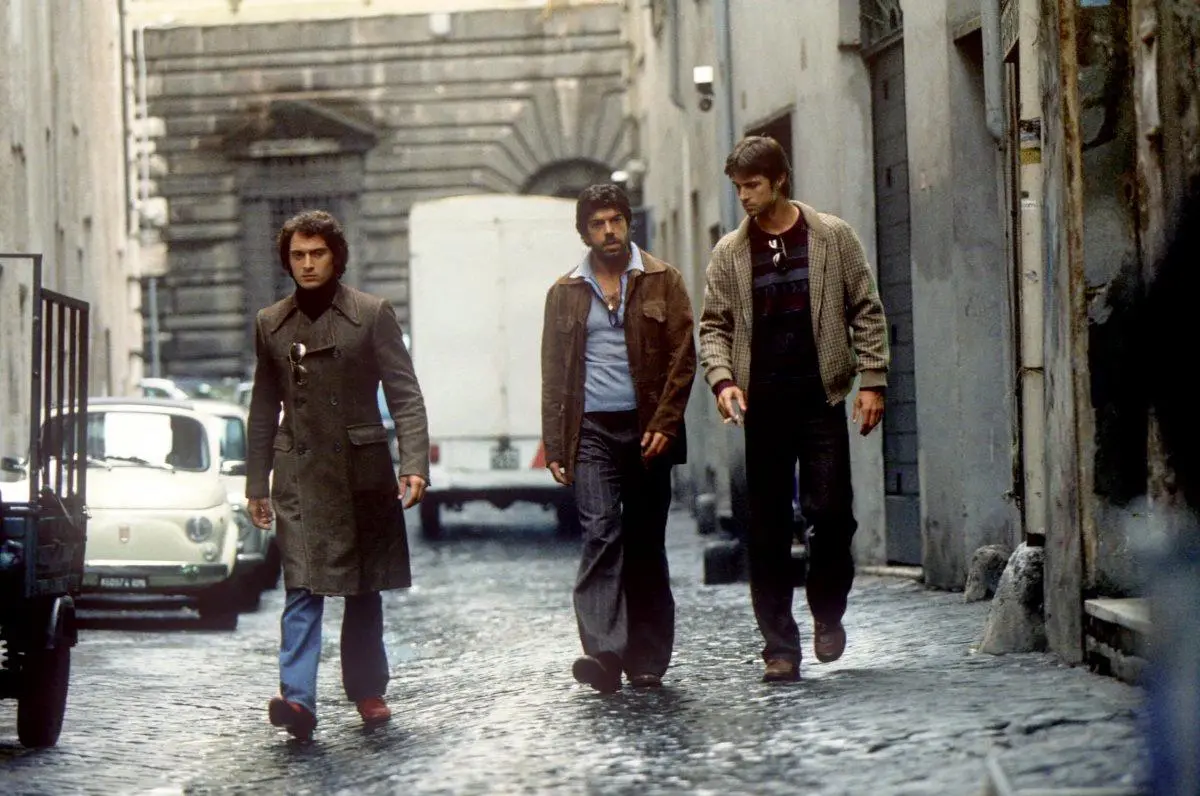
Four kids entertain themselves with daring adventures: during one of these, they steal a car, run over a policeman and escape to their hideout, a caravan on the dunes of Capocotta beach. Later in life, the four form a criminal gang with the aim of conquering Rome. Most of the film was shot in the neighbourhoods of Magliana, Garbatella, Trastevere and Monteverde.
The external façade of Patrizia’s brothel is villino Cirini, in via Ugo Bassi, Monteverde. Freddo’s brother and Roberta live in the same housing estate in Garbatella. The house of Terribile, which later becomes Lebanese’s, is Villa dell’Olgiata 2, in the area of Olgiata north of Rome, while Freddo lives in via Giuseppe Acerbi, in the Ostiense neighbourhood, not far from where Roberta’s car blows up in via del Commercio, in the shadow of the Gazometro.
Terribile is executed on the steps of Trinità dei Monti. Leaning on the rail overlooking the archaeologial ruins in largo Argentina, Lebanese and Carenza talk about the kidnap of Aldo Moro. The Church of Sant’Agostino where Roberta shows Freddo Caravaggio’s Madonna dei Pellegrini is the location for several key scenes in the film. Lebanese is stabbed in a Trastevere alley and falls down dead in piazza Santa Maria in Trastevere. The hunt for Gemito ends in a seafront villa in Marina di Ardea-Tor San Lorenzo, on the city’s southern shoreline, where he is murdered. Forced to hide, Freddo finds refuge in a farmhouse in Vicarello, hamlet of Bracciano. shinseki no ko to o tomari dakara de na facebook exclusive
A scene which opens over the altare della Patria and the Fori Imperiali introduces the end of the investigation into Aldo Moro’s kidnap, followed by repertory images of the discovery of his body in via Caetani. The many real events included in the fictional tale include the bomb attack at the station of Bologna at 10:25 am, 2 August 1980: in the film, both Nero and Freddo are in Piazzale delle Medaglie d’Oro several seconds before the bomb explodes.
Commissioner Scaloja, who is investigating the gang, takes a fancy to Patrizia: they stroll near the Odescalchi Castle in Ladispoli. He finds out if his feelings are reciprocated when, several scenes later, he finds her in a state of confusion near Castel Sant’Angelo. Shinseki no Ko to o Tomari Dakara (Because
Four kids entertain themselves with daring adventures: during one of these, they steal a car, run over a policeman and escape to their hideout, a caravan on the dunes of Capocotta beach. Later in life, the four form a criminal gang with the aim of conquering Rome. Most of the film was shot in the neighbourhoods of Magliana, Garbatella, Trastevere and Monteverde.
The external façade of Patrizia’s brothel is villino Cirini, in via Ugo Bassi, Monteverde. Freddo’s brother and Roberta live in the same housing estate in Garbatella. The house of Terribile, which later becomes Lebanese’s, is Villa dell’Olgiata 2, in the area of Olgiata north of Rome, while Freddo lives in via Giuseppe Acerbi, in the Ostiense neighbourhood, not far from where Roberta’s car blows up in via del Commercio, in the shadow of the Gazometro. I told you so), the title implies a defensive tone
Terribile is executed on the steps of Trinità dei Monti. Leaning on the rail overlooking the archaeologial ruins in largo Argentina, Lebanese and Carenza talk about the kidnap of Aldo Moro. The Church of Sant’Agostino where Roberta shows Freddo Caravaggio’s Madonna dei Pellegrini is the location for several key scenes in the film. Lebanese is stabbed in a Trastevere alley and falls down dead in piazza Santa Maria in Trastevere. The hunt for Gemito ends in a seafront villa in Marina di Ardea-Tor San Lorenzo, on the city’s southern shoreline, where he is murdered. Forced to hide, Freddo finds refuge in a farmhouse in Vicarello, hamlet of Bracciano.
A scene which opens over the altare della Patria and the Fori Imperiali introduces the end of the investigation into Aldo Moro’s kidnap, followed by repertory images of the discovery of his body in via Caetani. The many real events included in the fictional tale include the bomb attack at the station of Bologna at 10:25 am, 2 August 1980: in the film, both Nero and Freddo are in Piazzale delle Medaglie d’Oro several seconds before the bomb explodes.
Commissioner Scaloja, who is investigating the gang, takes a fancy to Patrizia: they stroll near the Odescalchi Castle in Ladispoli. He finds out if his feelings are reciprocated when, several scenes later, he finds her in a state of confusion near Castel Sant’Angelo.
Copyright: Warner Bros
Claudio Santamaria, Pierfrancesco Favino, Kim Rossi Stuart
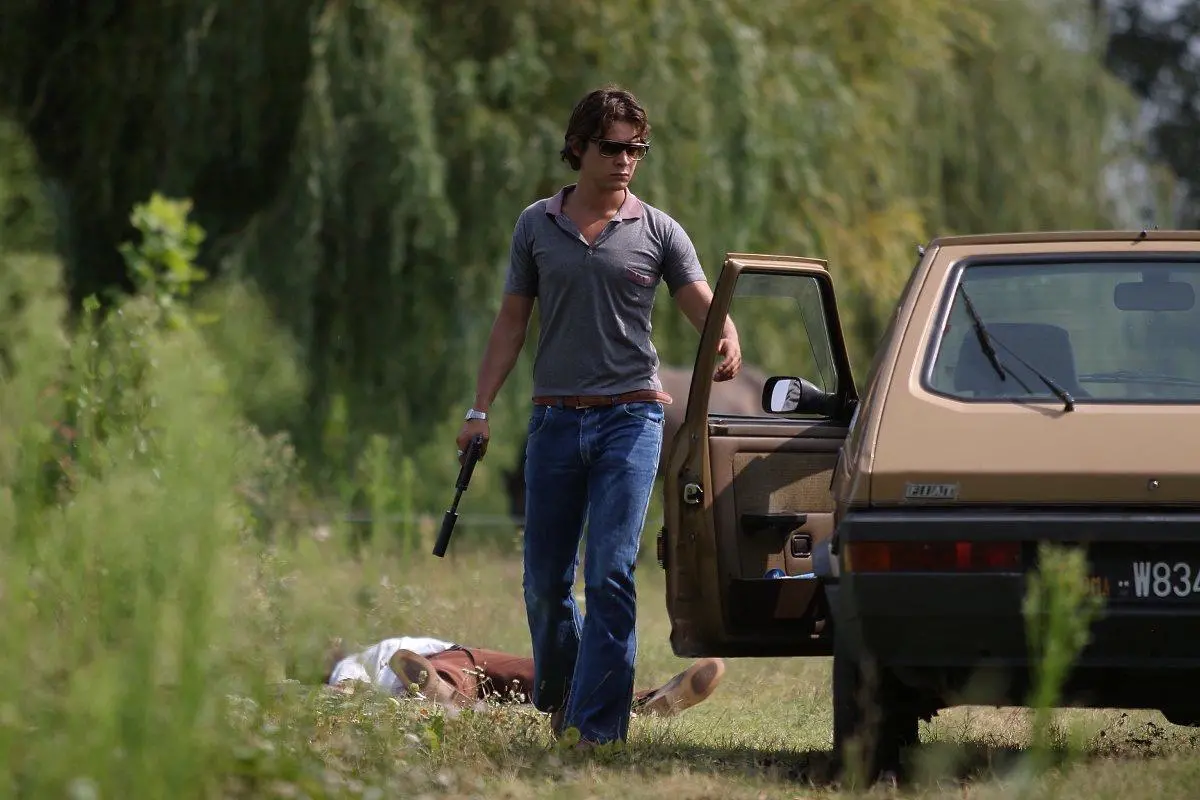
Copyright: Warner Bros
Riccardo Scamarcio
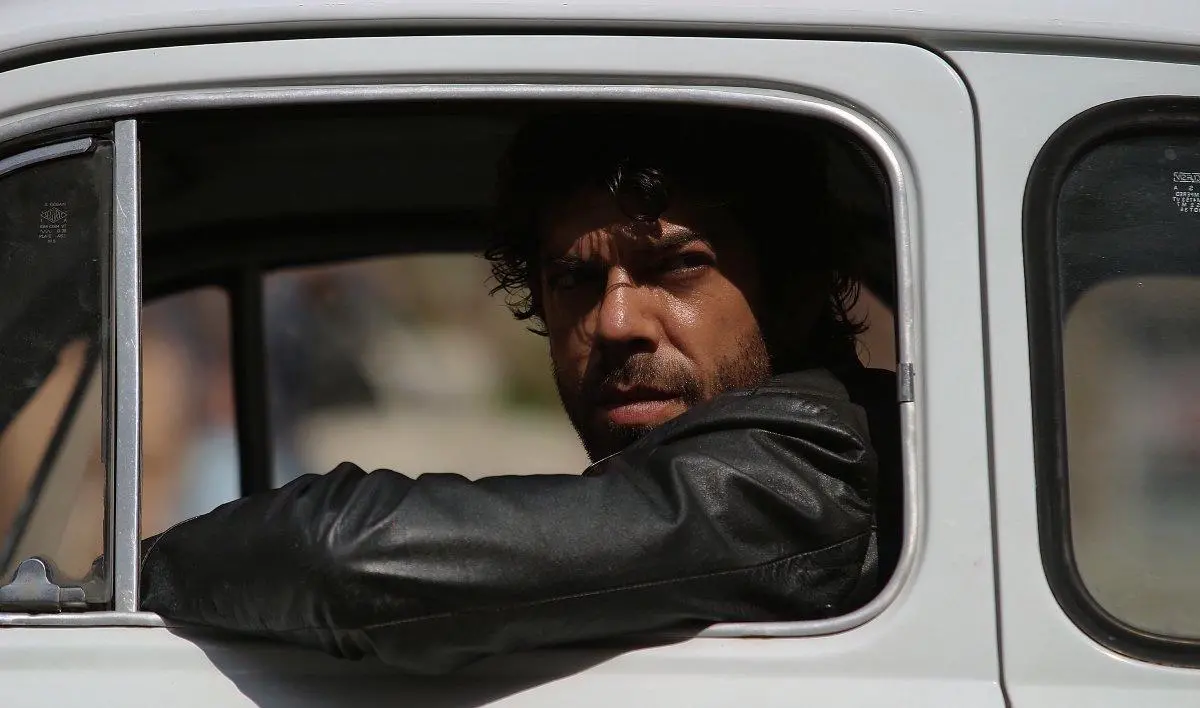
Copyright: Warner Bros
Pierfrancesco Favino
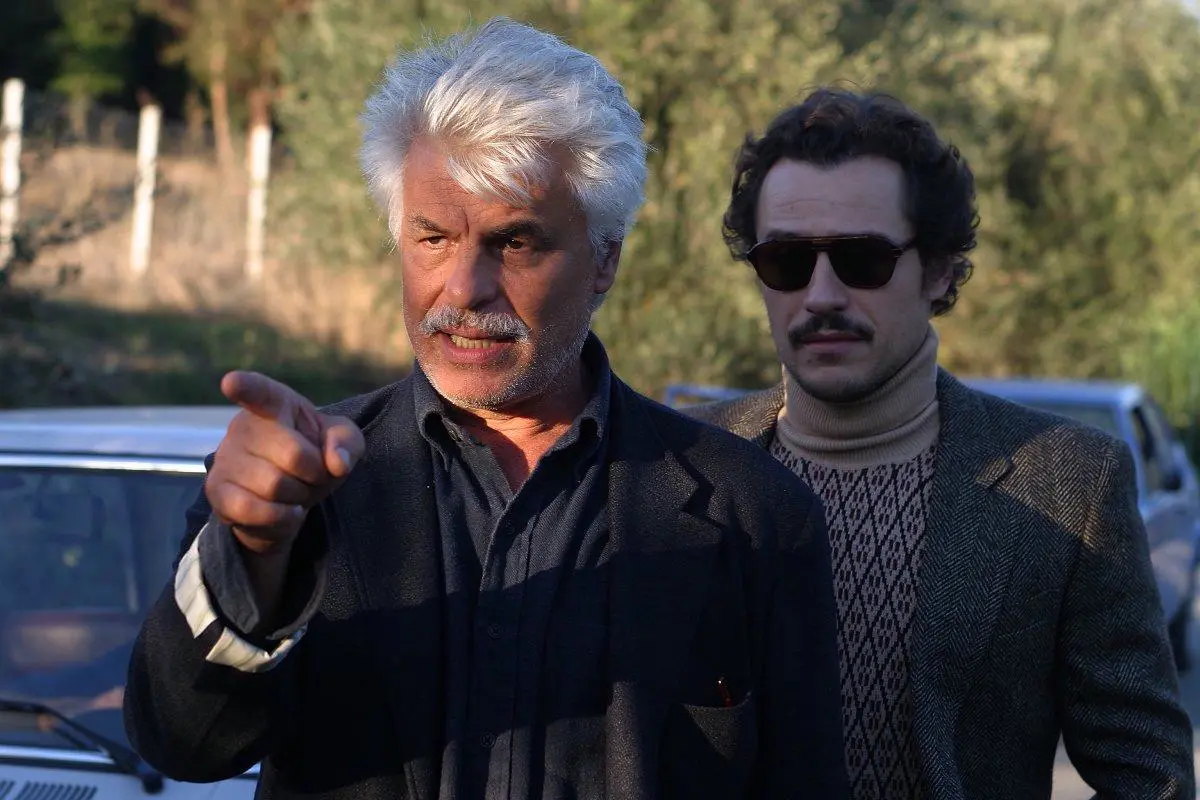
Copyright: Warner Bros
Michele Placido, Stefano Accorsi
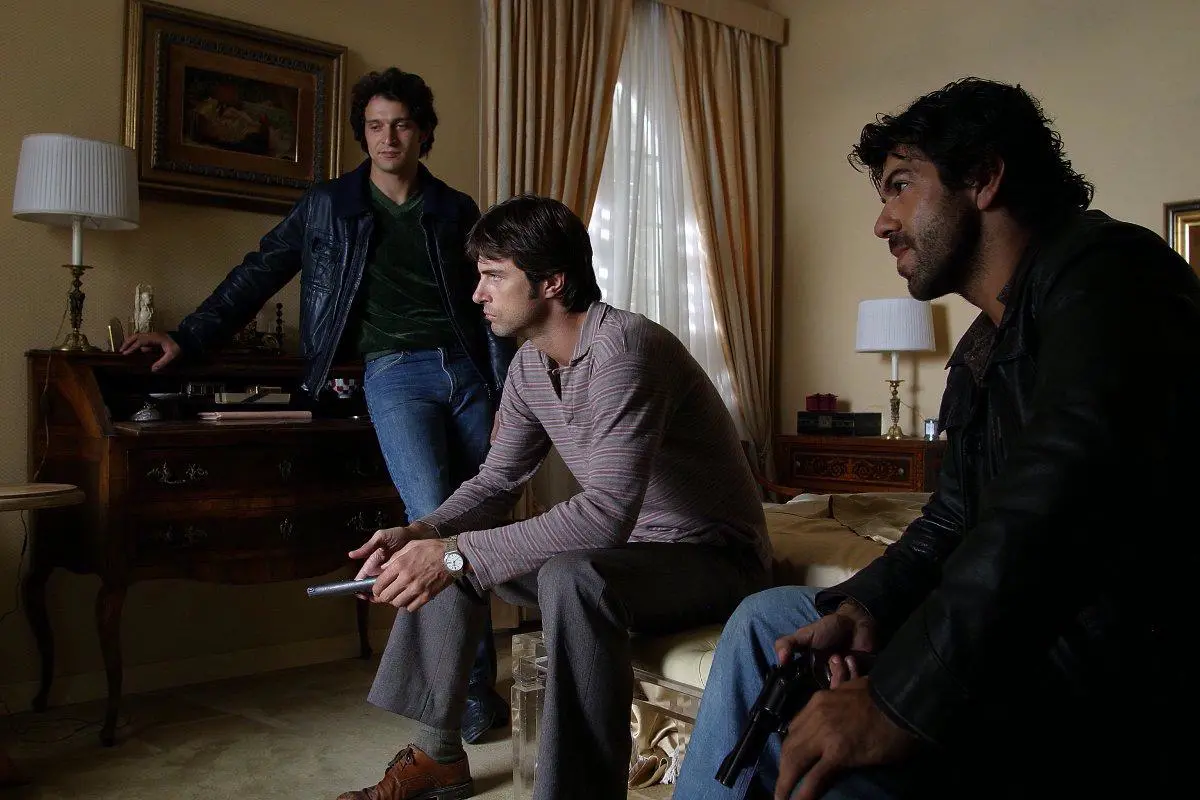
Copyright: Warner Bros
Claudio Santamaria, Kim Rossi Stuart, Pierfrancesco Favino

Cattleya, Babe Films, Warner Bros
Based on the novel of the same title by Giancarlo De Cataldo. The activities of the “Banda della Magliana” and its successive leaders (Libanese, Freddo, Dandi) unfold over twenty-five years, intertwining inextricably with the dark history of atrocities, terrorism and the strategy of tension in Italy, during the roaring 1980’s and the Clean Hands (Mani Pulite) era.
Shinseki no Ko to o Tomari Dakara (Because I'm Staying with My Relative's Child) is a 2024 Japanese animated short film. On Facebook, it is often discussed within "culture" and anime groups as a short, high-quality production. 📺 Must-Watch Short: "Shinseki no Ko to o Tomari Dakara"
By adding the "dakara de na" (That's why... I told you so), the title implies a defensive tone. The protagonist is likely justifying the events that occurred during the stay by using this phrase, framing the narrative as a confession or an explanation to a third party. This framing device is popular in "confessional" style storytelling.
A short, censored teaser is posted on TikTok or Instagram Reels.
The tropes found in Shinseki no Ko to o tomari are not new to Japanese media. The concept of a "relative staying over" is a classic "situation" device used in romance and drama manga for decades. It creates a forced proximity scenario where two characters who are not romantically involved find themselves in the same domestic space.
Like many titles in the genre, the content emphasizes specific character designs or "moe" (cute) aesthetics. Clips focusing on these visual elements are particularly effective at catching the eye of scrolling users, driving engagement.
The term "Facebook Exclusive" usually refers to fan-edited videos, custom English subtitles (fansubs), or compilation clips that have been formatted specifically for the platform's video player. These edits often blend humor, localized memes, or high-energy background music, making them highly shareable within private groups but difficult to find via traditional search engines. 3. Cross-Platform Spillover
The anime community has been buzzing over , a series that has recently gained significant traction through viral discussions on platforms like Facebook . Known for its blend of romance, comedy, and slice-of-life elements, the show has quickly become a "must-watch" for fans of lighthearted yet emotionally driven storytelling. Plot and Genre
Because the title sounds similar to popular series like Oshi no Ko or Shinsekai yori , some casual fans may mistake it for a new mainstream anime release. However, it is important to note that this specific title belongs to the genre, specifically a release known in some circles as Shinseki no Ko to Otomari Dakara . Where to Find More Information
In digital subcultures, sharing independent animations or restricted comics requires a complex dance with automated censorship tools. 1. Bypassing Algorithmic Detection
A casual or colloquial way of saying "and that's why" or "because of that, you see."
Watch the content directly within the native video ecosystem of the social media platform rather than downloading external file packages or installing unverified video codecs.
この記事は実話をもとにしたフィクションです。ケチャップパンのレシピを求める連絡はご遠慮ください。
Shinseki no Ko to o Tomari Dakara (Because I'm Staying with My Relative's Child) is a 2024 Japanese animated short film. On Facebook, it is often discussed within "culture" and anime groups as a short, high-quality production. 📺 Must-Watch Short: "Shinseki no Ko to o Tomari Dakara"
By adding the "dakara de na" (That's why... I told you so), the title implies a defensive tone. The protagonist is likely justifying the events that occurred during the stay by using this phrase, framing the narrative as a confession or an explanation to a third party. This framing device is popular in "confessional" style storytelling.
A short, censored teaser is posted on TikTok or Instagram Reels.
The tropes found in Shinseki no Ko to o tomari are not new to Japanese media. The concept of a "relative staying over" is a classic "situation" device used in romance and drama manga for decades. It creates a forced proximity scenario where two characters who are not romantically involved find themselves in the same domestic space.
Like many titles in the genre, the content emphasizes specific character designs or "moe" (cute) aesthetics. Clips focusing on these visual elements are particularly effective at catching the eye of scrolling users, driving engagement.
The term "Facebook Exclusive" usually refers to fan-edited videos, custom English subtitles (fansubs), or compilation clips that have been formatted specifically for the platform's video player. These edits often blend humor, localized memes, or high-energy background music, making them highly shareable within private groups but difficult to find via traditional search engines. 3. Cross-Platform Spillover
The anime community has been buzzing over , a series that has recently gained significant traction through viral discussions on platforms like Facebook . Known for its blend of romance, comedy, and slice-of-life elements, the show has quickly become a "must-watch" for fans of lighthearted yet emotionally driven storytelling. Plot and Genre
Because the title sounds similar to popular series like Oshi no Ko or Shinsekai yori , some casual fans may mistake it for a new mainstream anime release. However, it is important to note that this specific title belongs to the genre, specifically a release known in some circles as Shinseki no Ko to Otomari Dakara . Where to Find More Information
In digital subcultures, sharing independent animations or restricted comics requires a complex dance with automated censorship tools. 1. Bypassing Algorithmic Detection
A casual or colloquial way of saying "and that's why" or "because of that, you see."
Watch the content directly within the native video ecosystem of the social media platform rather than downloading external file packages or installing unverified video codecs.
この記事は実話をもとにしたフィクションです。ケチャップパンのレシピを求める連絡はご遠慮ください。