
|
Idaho Amateur Radio Emergency Service |

|
|||||||||||||
|
|||||||||||||||
|
|
Idaho Amateur Radio Emergency Service |
|
|||||||||||||
|
|||||||||||||||
Some organizations or groups conduct structured digital communications, using FLDIGI, and may provide a set of FLDIGI Macros to support their digital communications activities. This article intends to provide some guidance on how to locate the FLDIGI Macro folder, and then how to configure FLDIGI to use the newly installed macro file.
On Windows, navigate to:
C:\Users\YOUR_ACCOUNT_NAME\fldigi.files\macros
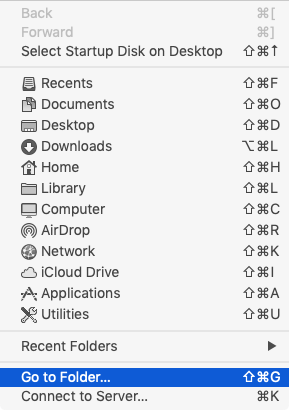
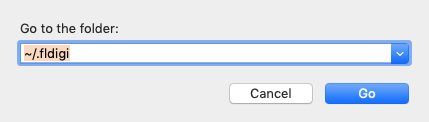
On Mac OS, the FLDIGI configuration data folder is hidden. You can navigate to the macro file by executing the following steps:
Network cameras do not appear on Google by accident. They end up indexed due to specific configuration oversights:
The mode=motion tag highlights a specific feature of the camera. Motion detection is a technological function that analyzes pixels in the camera’s field of view. When enough pixels change rapidly (indicating movement), the camera triggers a recording or sends an alert. The "motion" parameter in the URL often streams the feed only when activity is detected, rather than streaming 24/7, saving bandwidth for the hotel or business.
This public link is valid for 7 days and shares a thread, including any personal information you added. This link or copies made by others cannot be deleted. If you share with third parties, their policies apply. Can’t copy the link right now. Try again later. inurl viewerframe mode motion hotel link
Tells the search engine to look for specific words within the website address.
: Hotel guests have a strict legal and ethical expectation of privacy. While public areas like lobbies are monitored for security, exposing these feeds to the entire internet breaches that trust and violates regional privacy laws (such as GDPR in Europe or various state privacy acts in the US). Legal Consequences Network cameras do not appear on Google by accident
The internet connects billions of devices, but this connectivity comes with significant privacy risks. One of the most stark examples of this vulnerability is the search query inurl:viewerframe?mode=motion . For years, this specific phrase has been used by bad actors, security researchers, and curious internet users to locate and access unsecured IP (Internet Protocol) cameras worldwide.
Preventing surveillance feeds from being indexed by search engines requires a few fundamental network security adjustments: 1. Implement Strong Authentication When enough pixels change rapidly (indicating movement), the
Many hotels installed network security cameras in the early 2000s when remote web viewing was a novel feature. These older systems rarely came with enforced security protocols.
Among the most sensitive targets discovered through this method are live feeds from hotels, motels, and private hospitality spaces. This article explores the mechanics behind this vulnerability, the privacy implications for the hospitality industry, and how both businesses and consumers can protect themselves. What is "inurl:viewerframe?mode=motion"?
: A common file or page name used by certain network camera brands (like Panasonic or Axis) to display live video.