Bme Pain Olympic Video Best (Latest Solution)
Discover, subscribe, and create interactive maps.


Discover, subscribe, and create interactive maps.
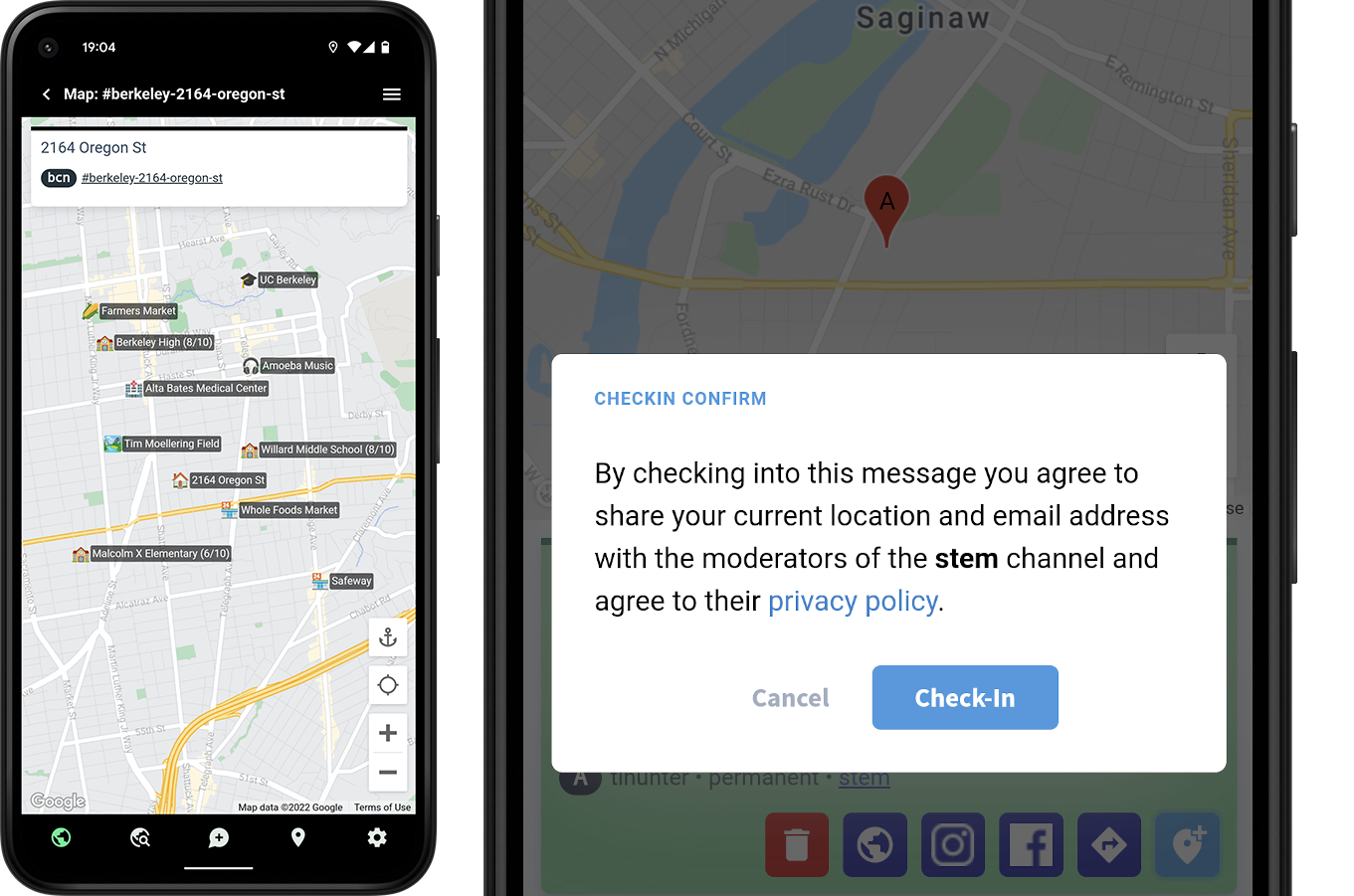
Leave a post somewhere in the world and others can only find it if they visit the same location.
Posts are organized into maps. Subscribe to maps that interest you, like foodtrucks, coffee, or garage-sales.
Choose how “loud” your posts are, whether it be a long-lived whisper or a short-lived shout.
released a track titled "bme pain olympics" that discusses the modern chase for internet virality.
Before shock sites like 2 Girls 1 Cup became synonymous with digital-era taboos, the BME Pain Olympics loomed as the ultimate test of internet fortitude. For those navigating the raw, unregulated corners of the early web, the phrase "BME pain olympic video best" wasn’t about sportsmanship or Olympic gold. It was a morbid and highly controversial search for the most extreme, most shocking, and most intense piece of internet content ever created by the community.
The most famous clip—often referred to as the "best" or definitive version—featured a man seemingly amputating his own genitalia.
The BME Pain Olympics gained significant traction around 2010, when the videos began to go viral on social media platforms and video sharing sites. Since then, the series has grown in popularity, attracting millions of views and sparking widespread discussion and debate. bme pain olympic video best
The BME Pain Olympics video is a viral sensation that showcases outrageous stunts, painful challenges, and absurd humor. While it's entertaining to watch, it's crucial to prioritize safety and well-being, both for the participants and the viewers. If you're looking for a light-hearted, comedic video, the BME Pain Olympics might be worth checking out, but with a critical and cautious perspective.
Around 2007, a video titled the "BME Pain Olympics" began circulating on file-sharing networks and shock sites like Rotten.com and early live-leak clones. The Contents of the Video
The BME Pain Olympics have had a significant impact on society and culture, reflecting and influencing our attitudes towards pain, risk-taking, and entertainment. Some potential implications include: released a track titled "bme pain olympics" that
In the most famous version of the video, a man was shown apparently using a blade to perform a severe, horrific mutilation on his own male genitalia. The graphic nature of the video spread like wildfire through word-of-mouth, forum posts, and early social media platforms. The Quest for the "Best" or "Real" Video
The Pain Olympics represents a distinct era of internet culture characterized by an unregulated, "Wild West" landscape.
Before the advent of modern social networks, BMEzine served as a crucial, pioneering sanctuary for individuals interested in alternative body transformations. It was a digital archive where people shared photos, documentation, and experiences involving: Conventional tattoos and piercings. It was a morbid and highly controversial search
The most widely discussed version, often titled the "Final Round," features individuals seemingly competing to see who can endure the most extreme forms of genital mutilation. Visual Content
Initially, the "Olympics" were not about severe mutilation. According to records from the event, the first competitions were relatively tame by modern shock standards. Contestants participated in challenges such as . In 2004, the official website painolympics.com launched, hosting the first official compilation video, "BME Pain Olympics III".
released a track titled "bme pain olympics" that discusses the modern chase for internet virality.
Before shock sites like 2 Girls 1 Cup became synonymous with digital-era taboos, the BME Pain Olympics loomed as the ultimate test of internet fortitude. For those navigating the raw, unregulated corners of the early web, the phrase "BME pain olympic video best" wasn’t about sportsmanship or Olympic gold. It was a morbid and highly controversial search for the most extreme, most shocking, and most intense piece of internet content ever created by the community.
The most famous clip—often referred to as the "best" or definitive version—featured a man seemingly amputating his own genitalia.
The BME Pain Olympics gained significant traction around 2010, when the videos began to go viral on social media platforms and video sharing sites. Since then, the series has grown in popularity, attracting millions of views and sparking widespread discussion and debate.
The BME Pain Olympics video is a viral sensation that showcases outrageous stunts, painful challenges, and absurd humor. While it's entertaining to watch, it's crucial to prioritize safety and well-being, both for the participants and the viewers. If you're looking for a light-hearted, comedic video, the BME Pain Olympics might be worth checking out, but with a critical and cautious perspective.
Around 2007, a video titled the "BME Pain Olympics" began circulating on file-sharing networks and shock sites like Rotten.com and early live-leak clones. The Contents of the Video
The BME Pain Olympics have had a significant impact on society and culture, reflecting and influencing our attitudes towards pain, risk-taking, and entertainment. Some potential implications include:
In the most famous version of the video, a man was shown apparently using a blade to perform a severe, horrific mutilation on his own male genitalia. The graphic nature of the video spread like wildfire through word-of-mouth, forum posts, and early social media platforms. The Quest for the "Best" or "Real" Video
The Pain Olympics represents a distinct era of internet culture characterized by an unregulated, "Wild West" landscape.
Before the advent of modern social networks, BMEzine served as a crucial, pioneering sanctuary for individuals interested in alternative body transformations. It was a digital archive where people shared photos, documentation, and experiences involving: Conventional tattoos and piercings.
The most widely discussed version, often titled the "Final Round," features individuals seemingly competing to see who can endure the most extreme forms of genital mutilation. Visual Content
Initially, the "Olympics" were not about severe mutilation. According to records from the event, the first competitions were relatively tame by modern shock standards. Contestants participated in challenges such as . In 2004, the official website painolympics.com launched, hosting the first official compilation video, "BME Pain Olympics III".
Map Buddy aims to be the one-stop application for finding any information that is both time and location sensitive. Reserve your username and map while they're still available!
Try Map Buddy for Web